
Mardi Himal Trek
- Overview
- Itinerary
- Equipment Guide
- Essential Information
- Inclusive
- Exclusive
- Fixed Dates
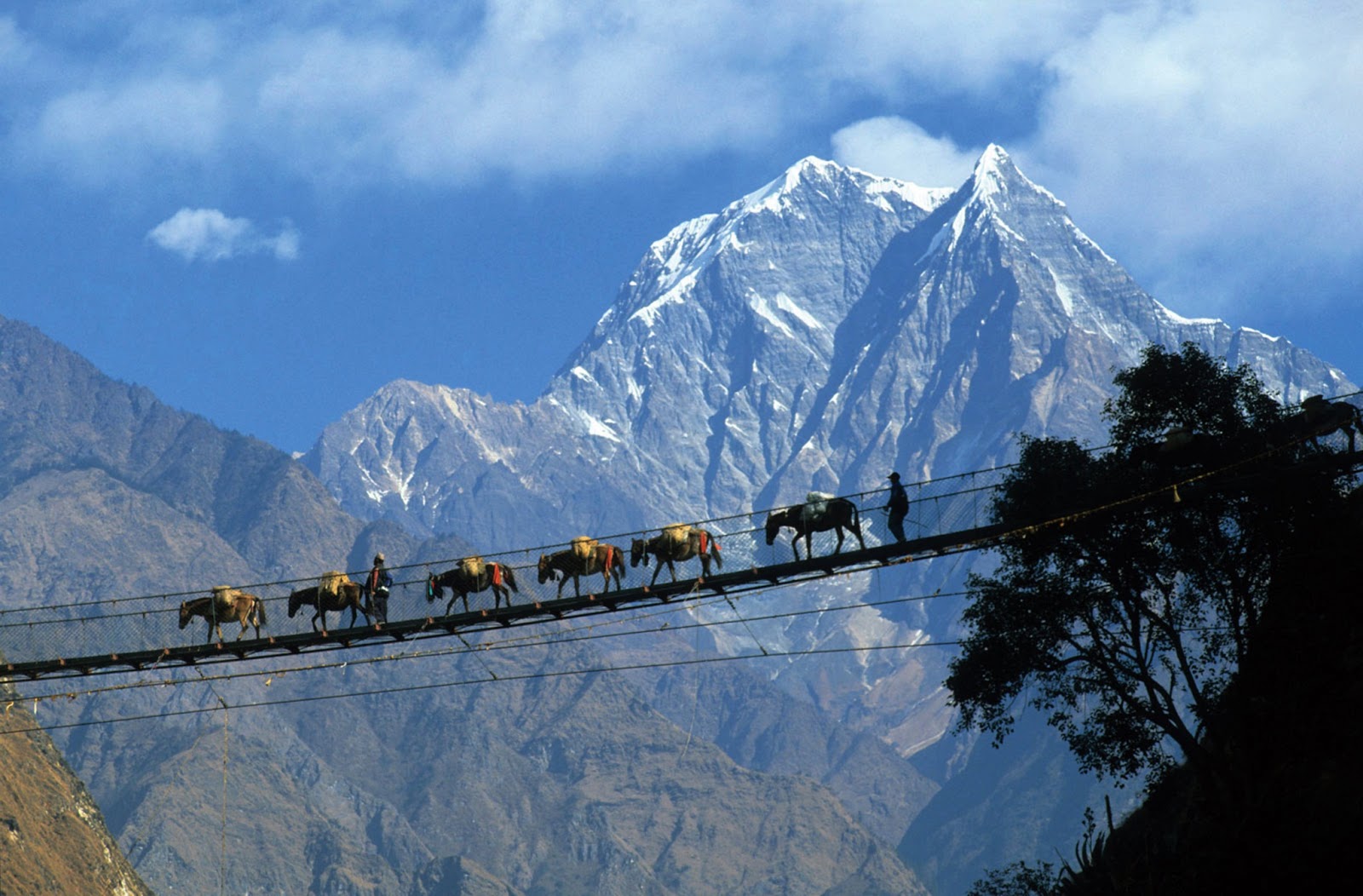
The Mardi Himal Trek is a hidden gem in the Annapurna region, offering a quieter and more off-the-beaten-path experience compared to its famous neighbor, Annapurna Base Camp. This 8-day journey takes you to the base camp of Mardi Himal (5,587m), nestled between the towering peaks of Machapuchare (Fishtail) and Annapurna South. The trail transitions from dense rhododendron and bamboo forests to dramatic alpine ridges with breathtaking close-up views of the Annapurna massif.
This trek is rated moderate, with daily walking of 5–7 hours. The trail includes a steep ascent to the ridge and reaches a maximum altitude of 4,500m. Prior hiking experience and good physical fitness are recommended.
Best Time to Trek:
Spring (March–May): Rhododendrons in full bloom, stable weather, clear mountain views, and pleasant temperatures.
Autumn (September–November): Crystal-clear skies, stable weather, and spectacular panoramic views. Considered the best season.
Winter (December–February): Cold temperatures with possible snowfall at higher elevations; trails are quieter but some lodges may close.
Monsoon (June–August): Not recommended due to heavy rainfall, slippery trails, leeches, and limited visibility.
Day 1
Drive Pokhara to Kande – Trek to Australian Camp (2,060m)
A short drive from Pokhara to Kande marks the start of the trek. A gentle ascent through forests leads to Australian Camp, offering panoramic views of the Annapurna range and a perfect introduction to the trek.
Day 2
Australian Camp – Forest Camp (2,550m)
Trek through dense rhododendron and oak forests, following a less-traveled path. The trail gradually ascends to Forest Camp, a peaceful settlement surrounded by wilderness.
Day 3
Forest Camp – Low Camp (2,970m)
Continue through lush forests with occasional breaks in the tree line revealing glimpses of Machapuchare and Mardi Himal. The trail ascends steadily to Low Camp.
Day 4
Low Camp – High Camp (3,580m)
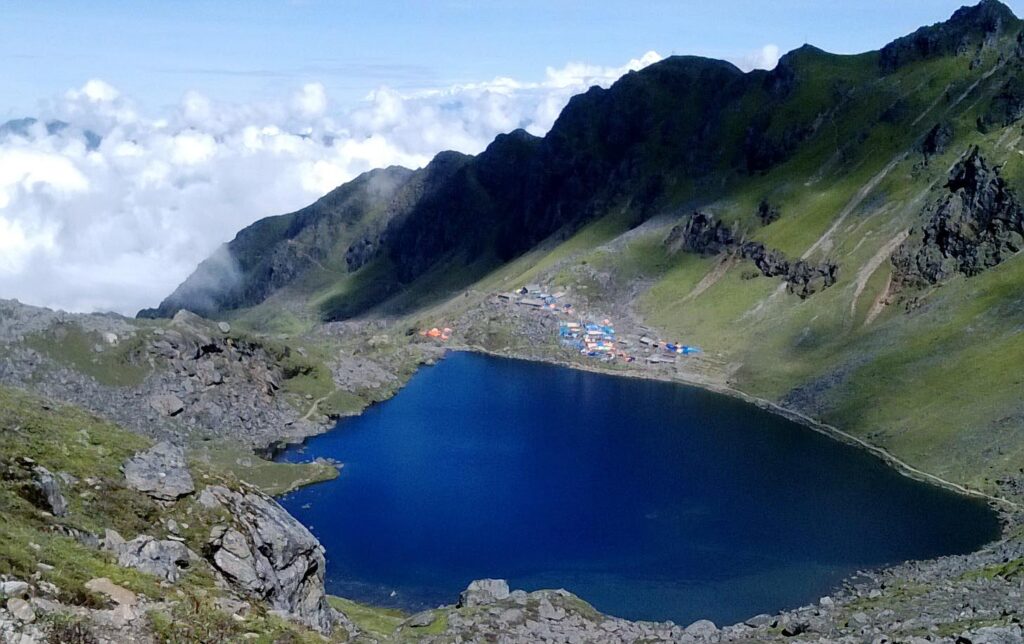
The trail leaves the forest behind and opens to alpine grasslands and ridges. The views become increasingly dramatic as you climb to High Camp, perched on a ridge with stunning mountain vistas.
Day 5
High Camp – Mardi Himal Base Camp (4,500m) – Return to High Camp
An early morning ascent to Mardi Himal Base Camp along a rocky ridge. The reward is an up-close, unobstructed view of Mardi Himal, Machapuchare, Annapurna South, and Hiunchuli. Return to High Camp for overnight.
Day 6
High Camp – Sidhing Village (1,900m)
Descend via an alternative route through remote villages and terraced farmlands. The trail offers a cultural contrast as you enter the traditional Gurung settlement of Sidhing.
Day 7
Sidhing – Lumle – Drive to Pokhara
A final descent through lush landscapes and villages to Lumle, where a scenic drive returns you to Pokhara.
Day 8
Reserve Day / Departure
A buffer day built into the itinerary to account for unforeseen delays, weather changes, or simply to relax and enjoy Pokhara before departure.
Carrying the right gear is essential for safety and comfort. Pack light but don’t leave out the basics. Porters carry the bulk load; trekkers carry daypacks.
General
Sleeping bag and down jacket (available on loan)
Duffle bag for porter (provided, returned after trek)
Waterproof, windproof outer jacket
Daypack for essentials
Head, Face, and Neck
Warm hat
Sunglasses with UV protection
Sunscreen (SPF 35–60)
Buff/neck warmer
Headlamp with batteries
Hands
Light gloves or trekking pole gloves
Warm insulated gloves for cold mornings
Upper Body
Moisture-wicking shirts (long/short sleeve)
Thermal base layer
Fleece jacket
Lightweight waterproof shell
Lower Body
Trekking trousers
Thermal leggings for early morning
Casual pants for evenings
Footwear
Trekking boots with ankle support
Sandals for evenings
3–4 pairs trekking socks
First Aid and Medication
Personal medicines
Bandages and blister care
Pain relief (Ibuprofen/Paracetamol)
Water purification tablets
Documents and Essentials
Passport, permits, 4 photos
Water bottle with filter system
Toiletries and quick-dry towel
Optional Extras
Trekking poles
Snacks
Power bank
Camera
Permits Required: Annapurna Conservation Area Permit (ACAP) and TIMS card
Accommodation: Teahouses with shared facilities
Meals: Local Nepali and basic continental food (dal bhat, noodles, soups)
Insurance: Strongly recommended (though lower altitude, still needed for emergencies)
Difficulty: Moderate; Suitable for beginners and families with a moderate fitness level
ACAP and TIMS permits
Licensed trekking guide and porter
Accommodation in teahouses
Three meals daily during trek
Transportation Pokhara–Kande and Lumle–Pokhara
Staff insurance
Group first aid kit
International and domestic flights
Nepal entry visa fee
Meals and accommodation in Pokhara
Travel insurance or evacuation costs
Personal expenses (snacks, Wi-Fi, hot showers)
Tips for guide and porter
Extra nights in Pokhara if needed
Contact Us
Get in Touch
Have a question or need any help planning next trip? Contact us now!
CHERRFUL HOLIDAY (P). LTD.
G.P.O. Box No.: 6569, 110 Newplaza Rd., Putalisadak
Kathmandu 29, Nepal 44600
Phone No.: +977-1-4511953 / 4517187
Email: koneys@mos.com.np; koneyschts@gmail.com
Website: www.cheerfulholiday.com
CHERRFUL HOLIDAY HONG KONG
B3, 2/F., Carnarvan Mansion, 12 Carnarvan Road, Tsimshatsui, Kin., HongKong
Phone No.: +852-23695333 (8 lines)
Fax: +852-27399899
E-mail: ennnayuen326@gmail.com
Gallery
Related Package
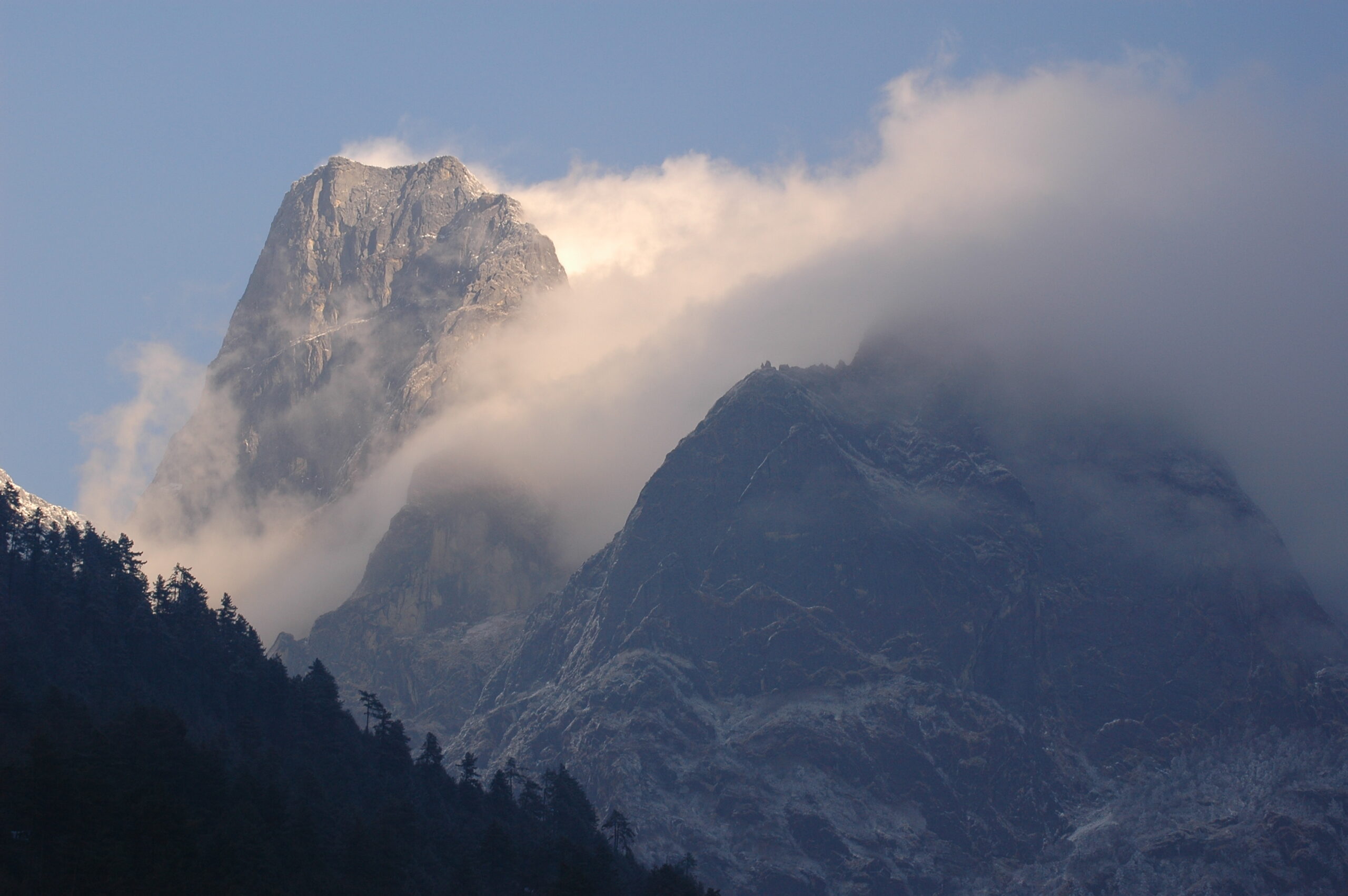
Kanchenjunga Region
Epic Kanchenjunga Circuit Trek, a 19-25 day odyssey to the base camps of the world’s third-highest peak, Kanchenjunga (8,586m) in the Nepal’s eastern Himalayas.
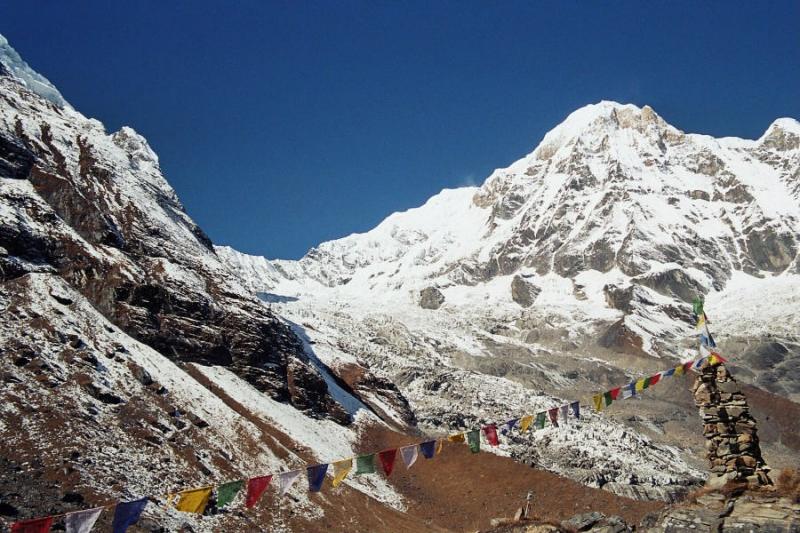
Annapurna Region
Nestled in the heart of Nepal’s Himalayas, the Annapurna Region is a breathtaking haven for adventurers and culture enthusiasts alike, including the formidable Annapurna.
Annapurna Region
Nestled in the heart of Nepal’s Himalayas, the Annapurna Region is a breathtaking haven for adventurers and culture enthusiasts alike, including the formidable Annapurna.